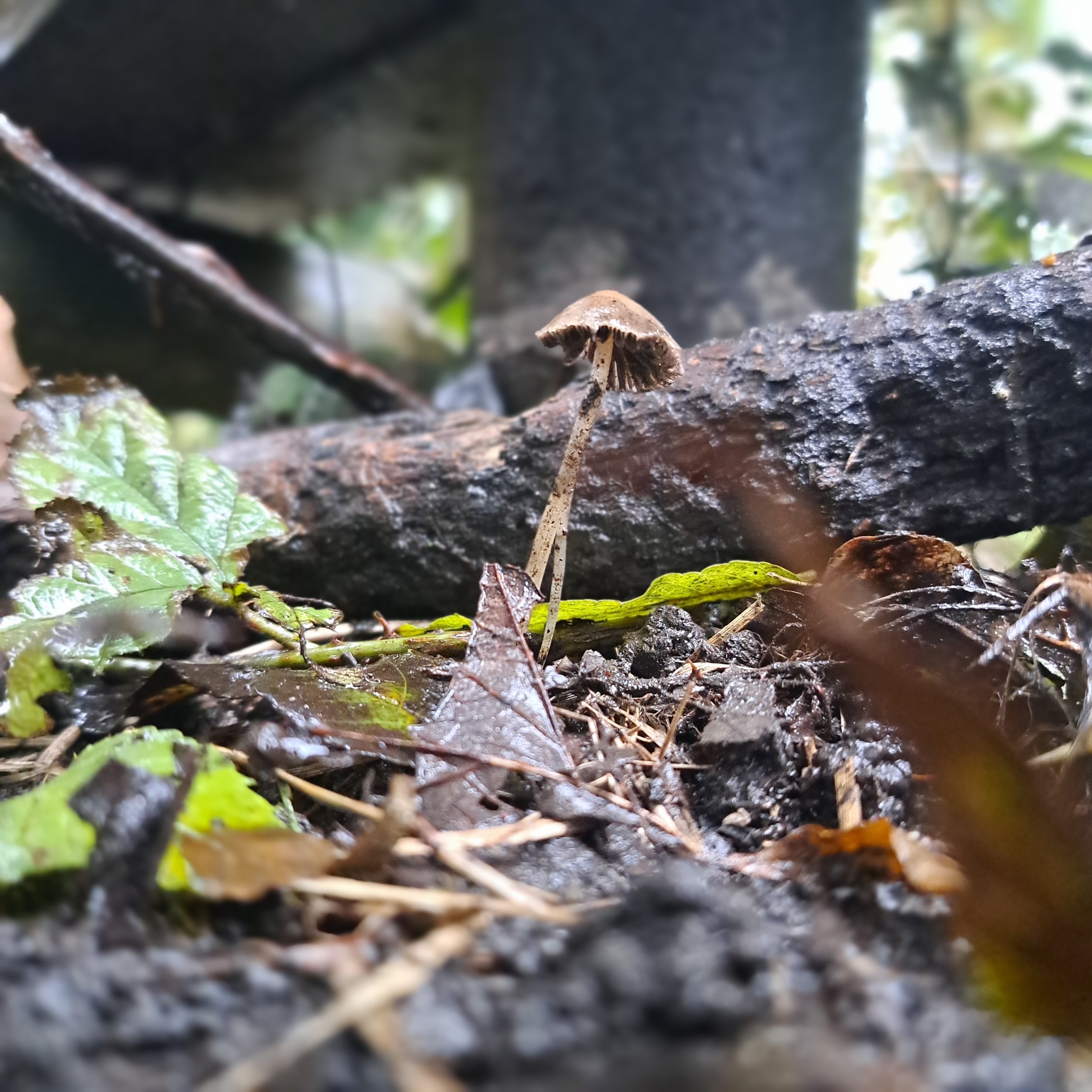
Bleriot Memorial Woods: Where History Meets the Horizon
Nestled on the iconic White Cliffs of Dover, the Bleriot Memorial Woods (Northfall Meadow) offer a truly unique sanctuary for Forest Therapy. This is more than just a woodland; it is a place of profound transition—where the rolling Kent countryside meets the vast expanse of the English Channel.
The Experience
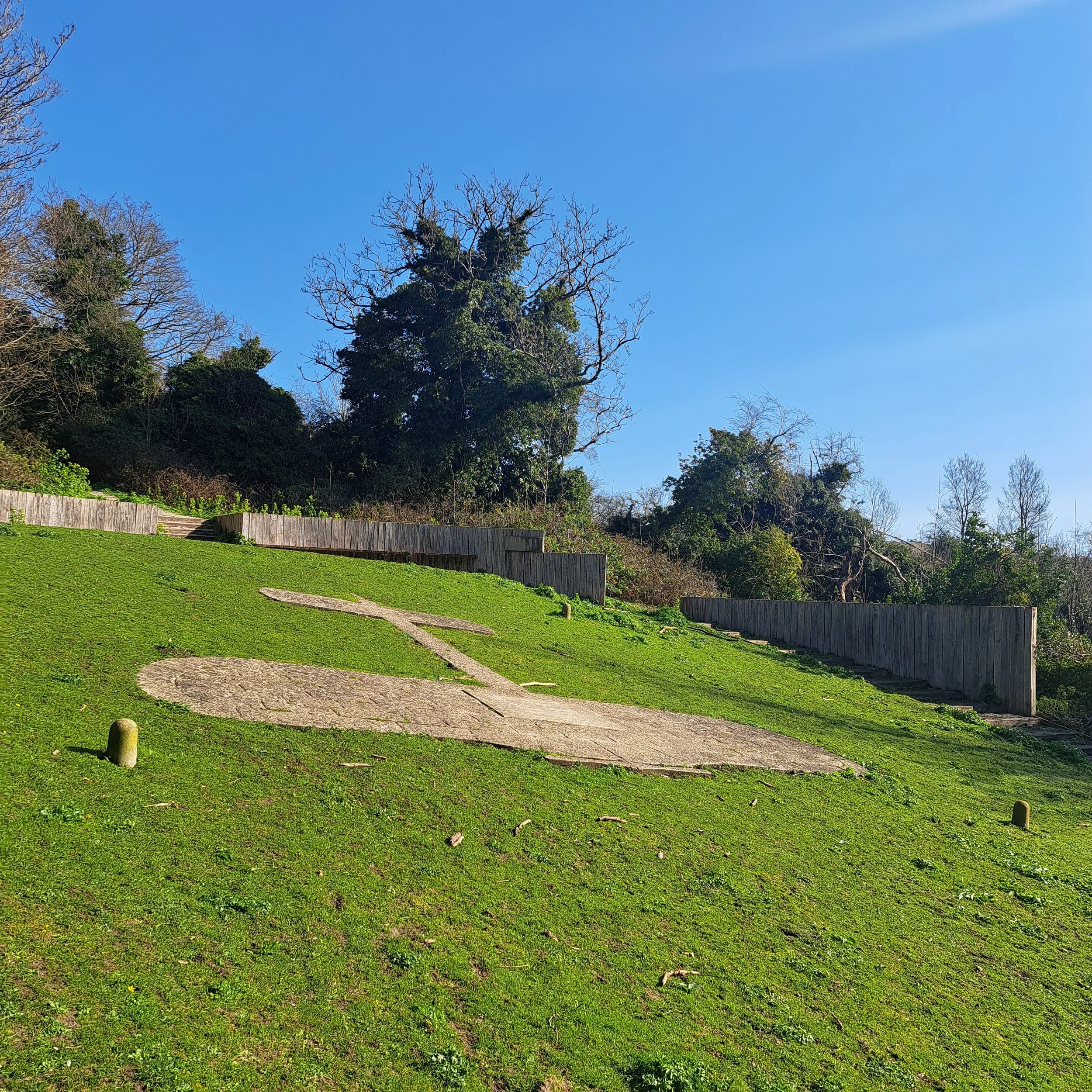
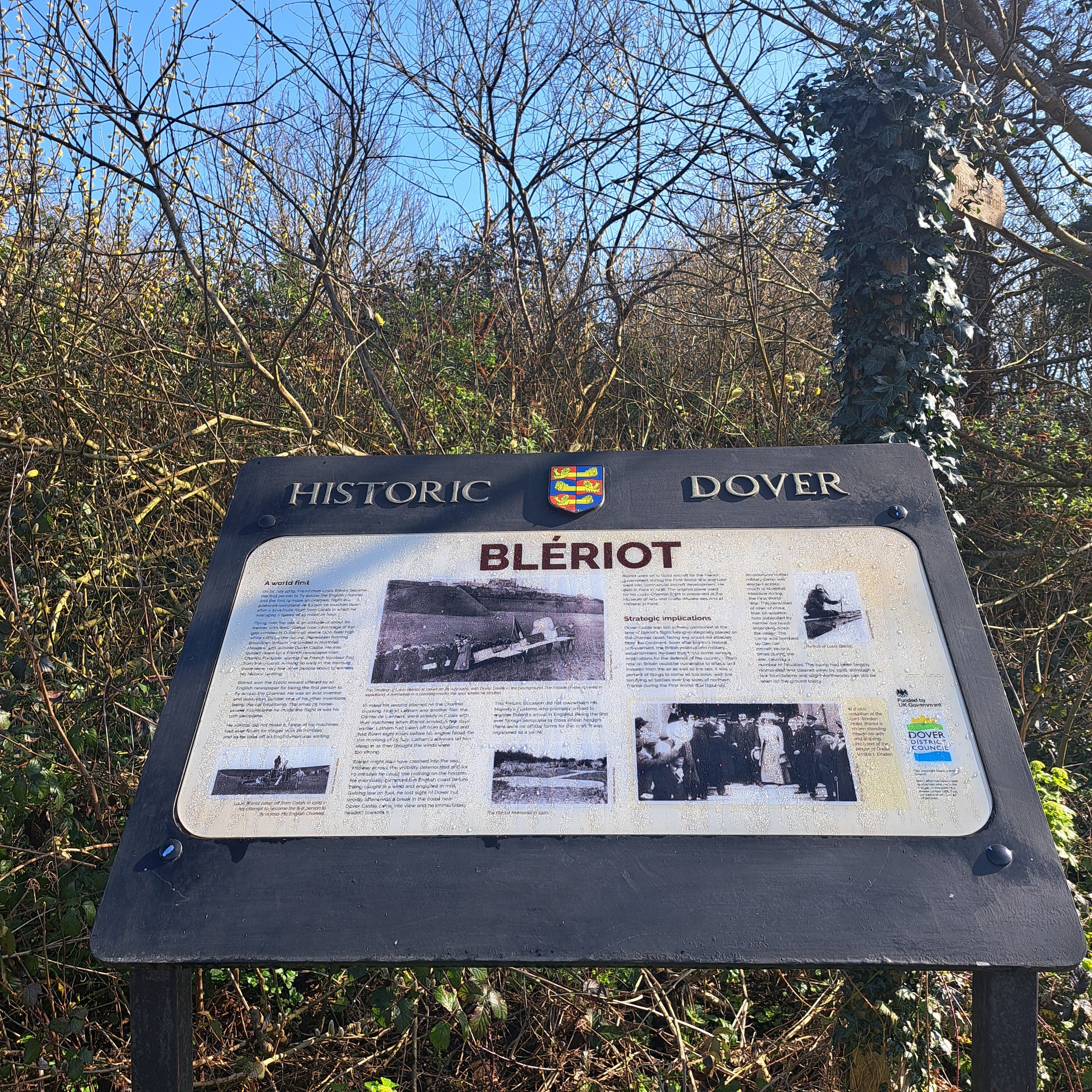
Walking through these woods, you are treading on historical ground. It was here, in 1909, that Louis Bleriot completed the first cross-channel flight, landing his aircraft in this very meadow. Today, the stone silhouette of his plane marks a spot of quiet contemplation amidst a reclaiming forest.
Our sessions here take advantage of:
Atmospheric Woodland: A mix of sheltered canopy and open glades that provide a diverse sensory landscape.
The Sound of the Sea: The gentle, scenic backdrop of the Channel, often visible through the trees, grounding you in the present moment.
Clifftop Energy: The invigorating coastal air and the views of Dover Castle offer a sense of perspective and renewal.
What to Expect
In the shelter of the Northfall Meadow woods, we leave the rush of modern life behind. We move slowly, engaging in guided "invitations" to connect with the texture of the chalky soil, the scent of the coastal flora, and the play of light through the leaves. It is a space to find your own "landing spot"—a place of stillness and mental clarity.
Location Details
Terrain: Gentle woodland paths, mid level inclines and declines , one very steep hill ( optional!) and open meadow.
Atmosphere: Secluded, historic, and invigorating.
Meeting Point: Carpark just past the entrance at Upper Road, Guston
We practice with deep respect for the historical significance of this landmark, ensuring our presence is quiet, mindful, and entirely leave-no-trace."
How To Get There:
🚆 By Train
The nearest station is Dover Priory. It is well-connected by:
Southeastern High Speed: Approx. 65 minutes from London St Pancras International.
Mainline Services: Regular trains from London Victoria, London Charing Cross, and Canterbury.
🚌 By Bus
From Dover town centre (near the railway station or Pencester Road), you can take several local buses:
Route 80 or 81 (Stagecoach): These run from Pencester Road toward Deal/Sandwich. Alight at the Dover Castle stop.
Dover Fastrack: As of 2026, the new electric Fastrack service connects Dover Priory and the town centre with high-frequency links, though you will still need to alight near the Castle/Upper Road area.
🚶 The Final Leg (Walking)
Once you arrive at the base of Dover Castle or the nearby bus stops, follow these directions:
From the Castle Entrance: Follow Castle Hill Road (A258) uphill away from the town.
Upper Road: Turn onto Upper Road (following signs for the Blériot Memorial).
The Woods: The memorial is located down a footpath through the trees on the left side of the road. It is roughly a 15–20 minute walk from the main Castle entrance.
💡 Local Tip
If you have a bit of extra time, the walk from the Memorial continues onto the North Downs Way, offering some of the best views of the Port of Dover and the White Cliffs.
Connaught Park: A Victorian Sanctuary in the Heart of Dover
Stepping into Connaught Park is like stepping back into a more intentional, slower era. Opened in 1866 as Dover’s first public park, its grand Victorian design offers a sophisticated blend of manicured beauty and untamed woodland, making it a perfect sanctuary for Forest Therapy.
The Experience
Our sessions at Connaught Park take advantage of the park’s unique "tiered" landscape. While the lower grounds hum with the gentle life of the ornamental pond and sweeping lawns, we journey to the secluded upper wooded slopes.
Here, the atmosphere shifts:
Ancient Canopy: Towering, established trees create a deep sense of "holding" and shelter, dampening the sounds of the town below.
Sensory Contrast: From the soft, mossy earth of the woodland floor to the structured stone walls and ironwork of the Victorian era, the park offers a rich variety of textures for our sensory invitations.
Elevated Perspective: As we climb the winding paths, the air clears and the views over Dover open up, providing a natural metaphor for mental clarity and "rising above" daily stressors.
What to Expect
Connaught Park is the ideal location for those seeking a "nature reset" without leaving the town. We focus on the tranquillity of the upper woods, where the sunlight filters through the leaves in a classic Komorebi pattern (dappled light).
It is a place to:
Slow Down: Reconnect with your senses amidst the historic charm of the gardens.
Breathe: Take in the fresh, oxygenated air provided by the park’s diverse collection of mature trees.
Ground: Find stability in the roots of a park that has provided peace to Dover residents for over 150 years.
Location Details
Terrain: Established gravel paths and some moderate inclines on the wooded slopes.
Atmosphere: Peaceful, historic, and restorative.
Meeting Point: The Top Gates , opposite Dover Castle’s pedestrian entrance.
How To Get There;
🚆 By Train
The closest station is Dover Priory.
High Speed: Trains from London St Pancras take roughly 65 minutes.
Walking from the Station: The park is approximately 0.7 miles from the station. If you're up for a brisk walk, it takes about 12–15 minutes heading northeast through the town.
🚌 By Bus
Most local buses stop at Pencester Road (the main bus hub) or near the Dover Town Hall (Maison Dieu), both of which are very close to the park.
Route 15 (Stagecoach): Runs frequently from Canterbury and stops near the bottom of the park on Maison Dieu Road.
Dover Fastrack: Since its full electric launch in early 2026, the Fastrack service connects Dover Priory and the town centre with high-frequency links. You can hop off at the Pencester Road stop and take a 5-minute walk to the park entrance.
🚶 The Final Leg (Walking)
Connaught Park is situated on a hill, so the walk involves a bit of an incline:
From the Town Centre: Walk north along Maison Dieu Road (A256).
Park Avenue: Turn right onto Park Avenue. This road leads directly to the main entrance of the park.
Alternative Entrance: You can also enter via Connaught Road if you are coming from the direction of Dover Castle or the higher part of town.
💡 Local Tip
The park is divided into two sections. The lower part features a tranquil pond and formal gardens, while the upper section (a bit steeper!) offers fantastic views over the town and toward the Castle. It’s a great spot for a picnic if the weather is on your side.
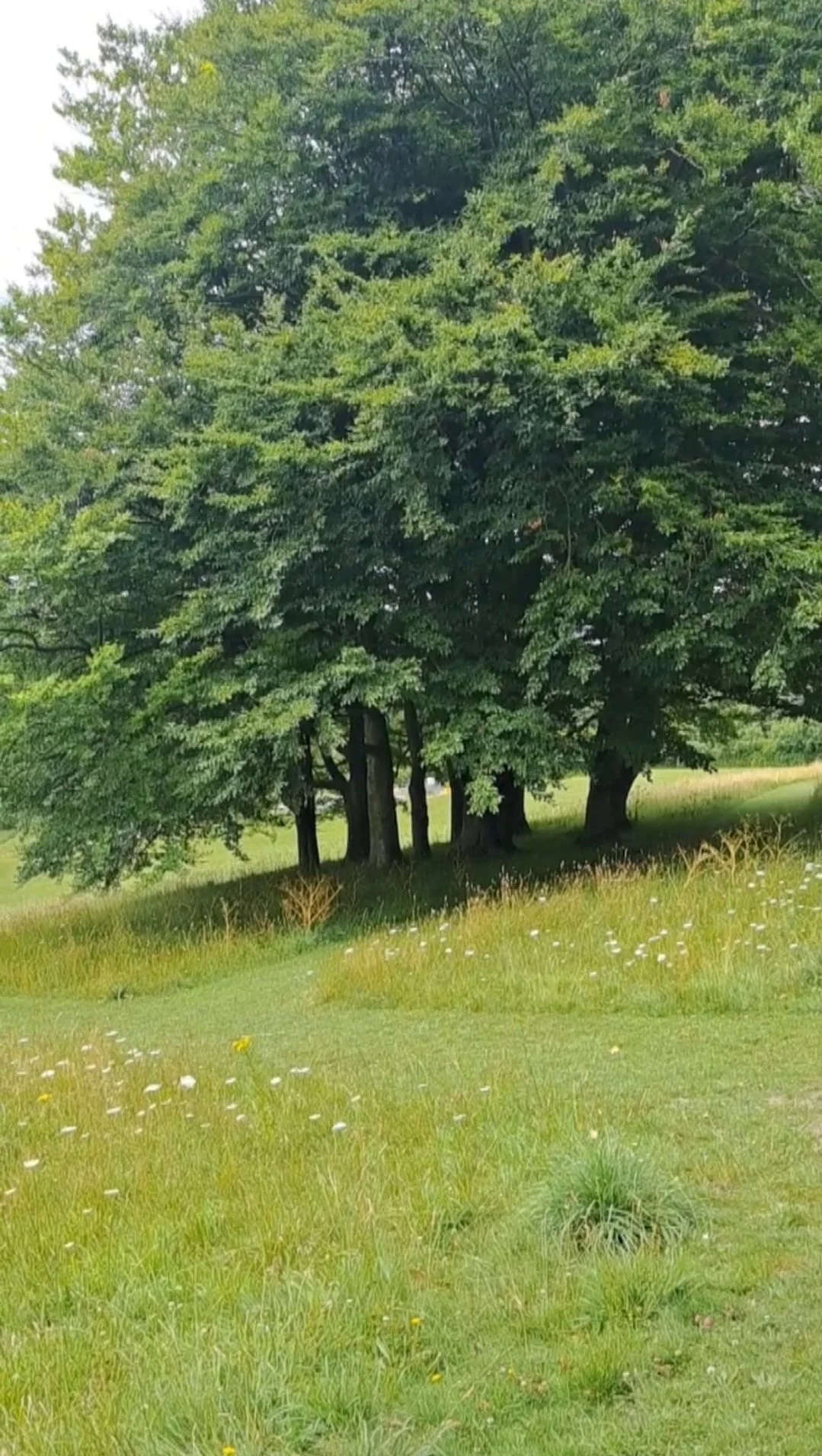
Heane Wood: A Private Woodland Sanctuary
Tucked away in the serene valley of Sandling near Hythe, Heane Wood is a hidden gem of ecological restoration. This is a private sanctuary, far from the beaten path, where nature is being encouraged to thrive in its most authentic form.
The Experience
A session at Heane Wood feels like stepping into a secret world. Because this woodland is privately managed with a focus on biodiversity and stewardship, it offers a level of quietude and "wildness" that is rare to find in the modern landscape.
Our Forest Therapy walks here are defined by:
Historic Echoes: The wood holds the fascinating remains of an old decommissioned railway line. Walking along these historic paths and seeing the entrance to the old railway tunnel provides a unique sense of time standing still.
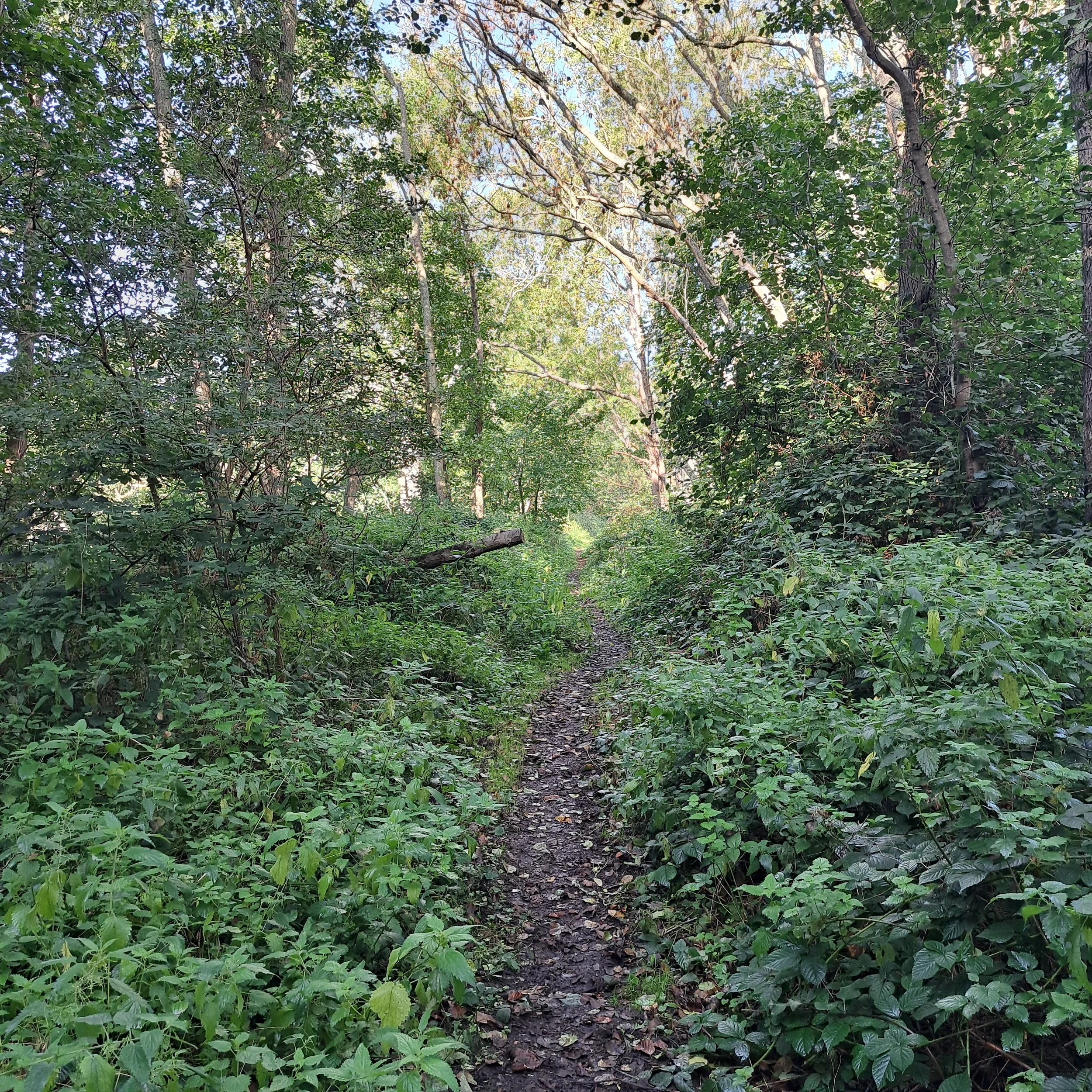
Deep Woodland Immersion: Ancient Beech and Sweet Chestnut trees and new growth intertwine, creating a thick, protective canopy that filters out the noise of the outside world.
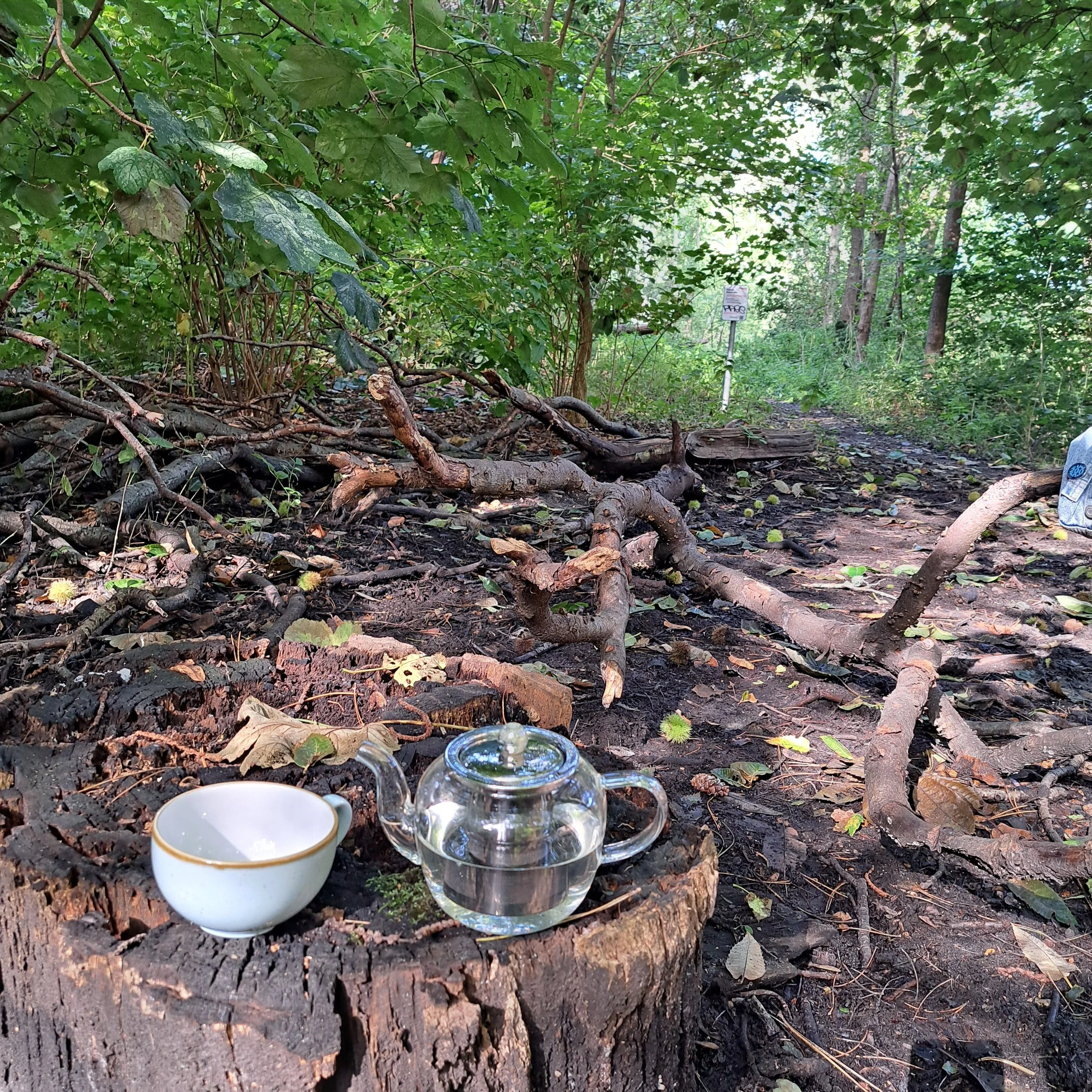
The Sound of Stillness: Away from road noise, the auditory landscape is dominated by birdsong, gentle trickling water sounds from the brook , the rustle of small mammals, and the wind through the canopy.
What to Expect
In this "living laboratory" of nature, we move with deep respect. Our invitations at Heane Wood are designed to awaken your ancestral connection to the forest:
The Path Less Travelled: We follow the level, shaded route of the old railway, allowing for a gentle and meditative walking pace with optional routes up a flight of stairs that offers sweeping views from above and further pockets of peaceful woodland to explore beyond.
Mindful Observation: Witness the subtle changes in a woodland that is being allowed to grow old gracefully around its industrial past. A gentle brook runs through the sight and has a tiny waterfall that provides another sensory layer of sound
Quiet Reflection: Use the secluded "nooks" near the old tunnel to find a profound sense of inner peace and grounding.
Location Details
Accessibility: Remarkably easy to reach, the wood is located directly adjacent to the Sandling Station car park, making it a perfect retreat for those traveling by train or car.
Terrain: Mostly level paths along the old railway line; some natural, uneven forest floor, one flight of stairs that can be ascended and descended at your own pace
Atmosphere: Secluded, historic, and deeply grounding.
Meeting Point: The entrance gate at the far end of Sandling Station carpark
Note: Access to Heane Wood is by kind permission of the landowners and is strictly limited to guided sessions to protect the delicate ecosystem and private heritage.
How To Get There;
🚆 By Train
The most convenient way to reach the wood is by rail, as the station practically borders the woodland area.
Nearest Station: Sandling.
Direct Services: Regular Southeastern trains run from London Charing Cross and London Cannon Street (via Ashford International) and from Dover Priory in the other direction.
Travel Time: Roughly 12 minutes from Ashford International or 20 minutes from Dover.
🚌 By Bus
Bus links are a bit more rural, so checking the timetable is essential.
Route 10 / 10A (Stagecoach): This service runs between Ashford and Folkestone. You should alight at the Sandling Railway Station stop.
Route 18: An infrequent service that connects Canterbury and Hythe, also stopping near the station.
Dover Fastrack: While the Fastrack service is excellent for getting around Dover itself, it does not extend this far west; you would need to change at Dover Priory for a train to Sandling.
🚶 The Final Leg (Walking)
Heane Wood is located immediately to the east and south of Sandling Station.
From the Station: Exit the station on the south side (Platform 2 side).
Public Footpath: Look for the public footpath signs that lead directly away from the station area towards the woods.
The Wood: You will enter the ancient woodland within a 2-minute walk. The path follows the line of the old, dismantled railway; if you follow it deep enough, you'll eventually find the northern portal of the abandoned Hayne Tunnel.
💡 Local Tip
Be aware that Heane Wood can get incredibly muddy, especially near the old railway cuttings. If you're planning to hunt for the Hayne Tunnel entrance, sturdy boots or wellies are a must. Also, keep in mind that much of the surrounding land is part of the private Sandling Park estate, so be sure to stick to the marked public footpaths.
Kearsney Abbey Gardens: Waterscapes and Giant Cedars
Located on the outskirts of Dover, Kearsney Abbey is a landscape defined by the flow of water and the shadows of giants. This beautifully restored parkland, fed by the River Dour, offers a more open and "airy" Forest Therapy experience, centered around its famous ornamental lakes and magnificent specimen trees.
The Experience
A session at Kearsney Abbey is a journey of reflection—both literal and metaphorical. The presence of water throughout the gardens creates a soothing auditory backdrop that naturally calms the nervous system and invites a deeper state of relaxation.
Our walks here focus on:
The Wisdom of the Cedars: Kearsney is home to breathtaking Lebanon Cedars. These ancient, wide-reaching giants provide a unique "architectural" canopy that feels both protective and awe-inspiring.
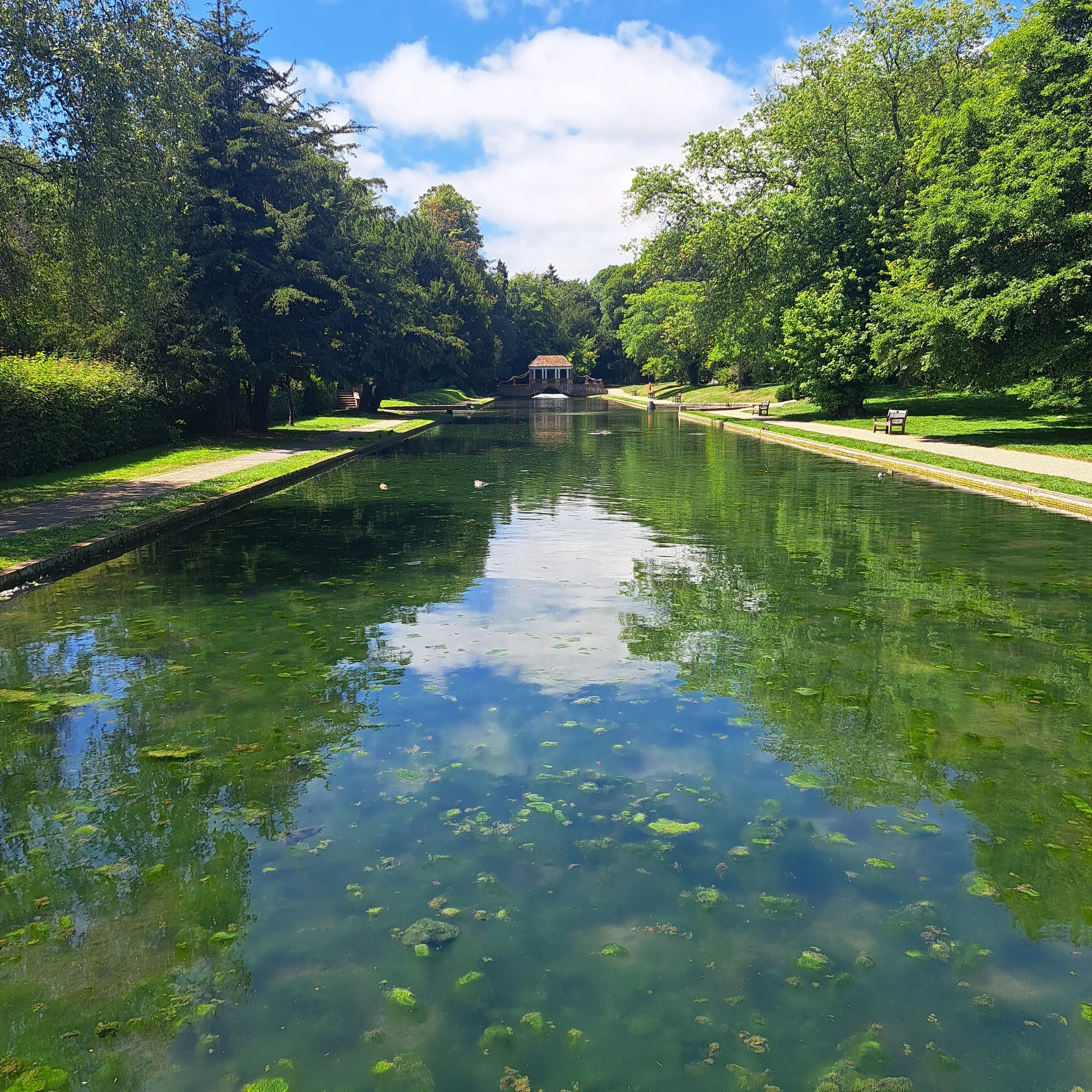
Reflective Waterscapes: The flowing river and still lakes offer endless opportunities for visual meditation, watching the play of light on the water’s surface.
The Sensory Border: We explore the edges where the manicured gardens meet the wilder woodland fringes, experiencing the transition between order and untamed nature.
What to Expect
Kearsney Abbey is particularly suited for those who find peace in open spaces and the presence of water. Our invitations here often involve:
Water Gazing: Utilizing the River Dour to practice "soft fascination," letting the gentle movement of the stream quiet the "chatter" of the mind.
Arboreal Connection: Spending time with the historic specimen trees, feeling the texture of their ancient bark and observing their massive, grounding root systems.
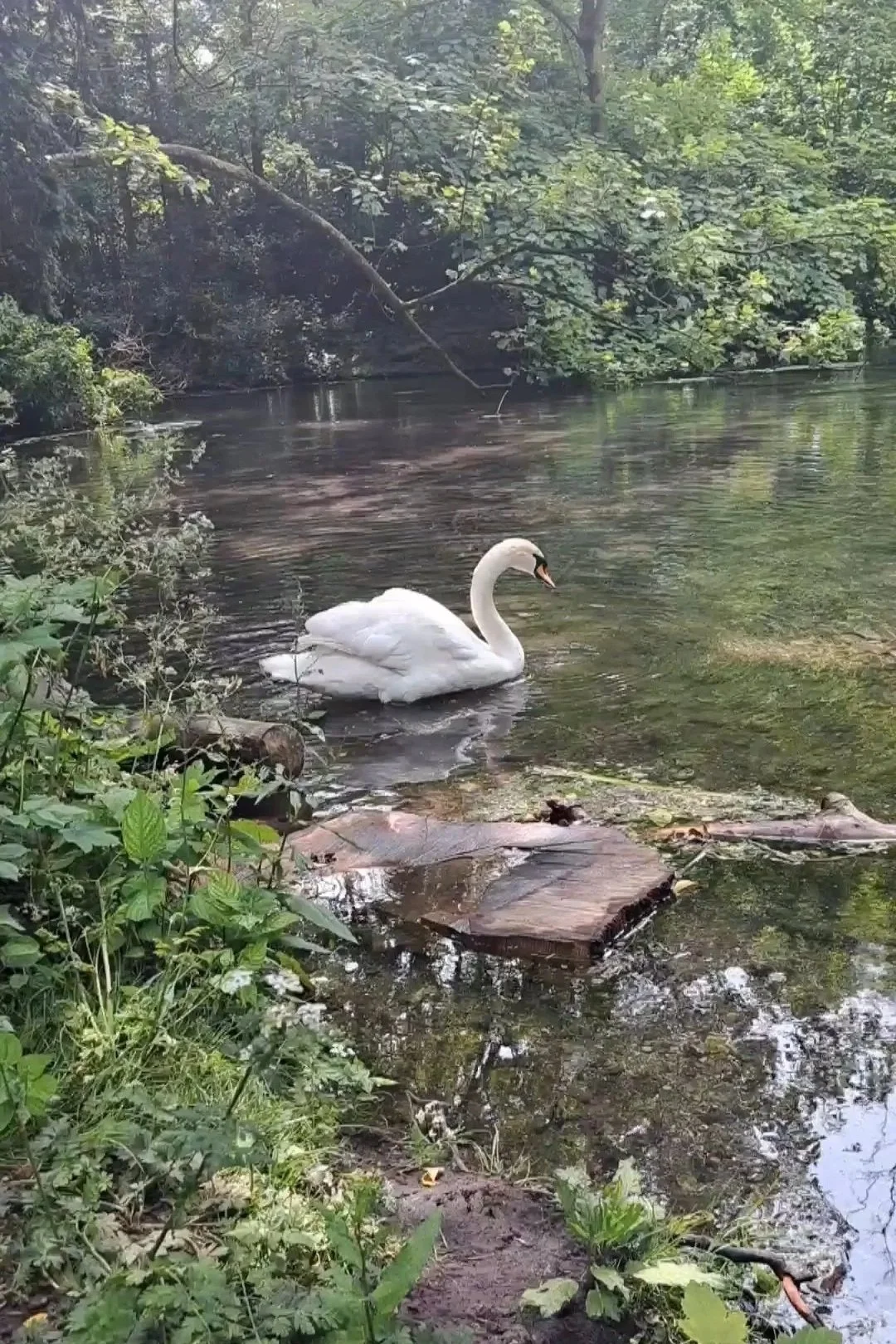
Birdsong & Breeze: The open landscape allows for a symphony of local birdlife including beautiful Swans and the refreshing movement of the wind through the valley.
Location Details
Terrain: Excellent, well-maintained flat paths, making this our most accessible location for those with mobility considerations.
Atmosphere: Serene, majestic, and flowing.
Meeting Point: By the entrance to the Billiards Room.
How to get there:
🚆 By Train
Kearsney Abbey is uniquely lucky to have its own dedicated railway station just a stone's throw away.
Nearest Station: Kearsney.
Direct Services: Regular trains run from Dover Priory (only a 4-minute journey) and from London Victoria (via Canterbury East and Faversham).
Walking from the Station: It is a very short 3–5 minute walk. Simply turn right out of the station onto Alkham Road and follow the signs.
🚌 By Bus
Buses are frequent and drop you almost at the park gates.
Route 15 (Stagecoach): This is the "main" bus for the Abbey, running between Dover and Canterbury. It stops at the Kearsney Abbey stop on the London Road (A2).
Route 61: A local Dover service that connects the town centre and the Whitfield area to Kearsney.
Dover Fastrack: While the new 2026 Fastrack network primarily serves the B-road corridors and the Port, you can easily take a Fastrack bus to Dover Priory and hop on a one-stop train to Kearsney for the quickest connection.
🚶 The Final Leg (Walking)
The park is very accessible and mostly flat once you arrive.
From the Bus Stop: If you arrive via the Route 15 on the A2, look for the flint stone walls—the main entrance is right there.
From the Train Station: Walk down Alkham Road, pass under the railway bridge, and the entrance to Russell Gardens will be on your right, with Kearsney Abbey just slightly further down on the left.
The Loop: Most visitors walk the perimeter of the lake, which is a gentle, paved circuit suitable for all fitness levels.
💡 Local Tip
The Kearsney Abbey Tea Room is located in the old billiards room of the original manor house. It’s a local favorite, but it gets very busy on weekends. If you're visiting in the summer of 2026, keep an eye out for the model boats often sailed on the lower lake by local enthusiasts!

Hamstreet Woods: A Fragment of the Ancient Weald
Nestled on the edge of the Romney Marsh near Ashford, Hamstreet Woods National Nature Reserve offers a profound sanctuary for Forest Therapy. This is more than just a woodland; it is a "living relic"—one of the last remaining fragments of the ancient Forest of Anderida that once covered the Weald of Kent.
The Experience
Walking through Hamstreet Woods is like stepping back into a medieval landscape. Managed for centuries through traditional coppicing, the woods possess a rhythmic, textured energy. It was here that the first-ever National Nature Reserve in England was designated, marking it as a place of deep ecological and spiritual significance.
Our sessions here take advantage of:
Ancient Canopy: Towering oaks and silver birch create a sheltered "cathedral" effect, perfect for dappled light meditation.
The Seasonal Carpet: In spring, the forest floor erupts in a sensory sea of bluebells and wood anemones, offering an intoxicating floral scent that grounds you in the present.
Rare Biodiversity: The presence of the rare Heath Fritillary butterfly and the song of the Nightingale provide a delicate, high-vibration backdrop to our practice.
What to Expect
In the deep interior of the Hamstreet glades, the hum of the modern world fades entirely. We move slowly along historic "rides," engaging in guided invitations to connect with the damp, rich earth of the Weald and the intricate patterns of the hornbeam trees. It is a space designed by nature for "re-wilding" the spirit and finding mental clarity amidst the stillness of the old growth.
Location Details
Terrain: Level woodland rides, occasional uneven roots, and soft earthen paths that can be muddy in winter (perfect for sensory grounding!).
Atmosphere: Deeply quiet, sheltered, and timeless.
Meeting Point: Main Natural England Car Park, Ruckinge Road (just outside Hamstreet village).
How To Get There:
🚆 By Train The woods are exceptionally accessible by rail. Hamstreet Station is on the Marshlink Line:
Southern Rail: Frequent services from Ashford International (approx. 10 mins) and Hastings (approx. 25 mins).
From London: Take the High Speed from St Pancras to Ashford International, then change for the short hop to Hamstreet.
🚌 By Bus
Stagecoach Route 2 / 2A: Connects Ashford and Tenterden to Hamstreet village.
Route 11: Provides links from Ashford to Lydd and New Romney via Hamstreet. Alight at the primary school or the village center.
🚶 The Final Leg (Walking) From Hamstreet Station or the village centre, the woods are a simple 10–15 minute walk:
Head north out of the village toward Ruckinge Road.
Follow the footpath signs leading toward the National Nature Reserve entrance.
The main car park and trailhead are clearly marked on the right-hand side as you leave the residential area.
💡 Local Tip After your session, follow the Greensand Way—which cuts right through the woods—back into the village for a reflective coffee or a visit to the local garden center, which has been a staple of the community for decades.