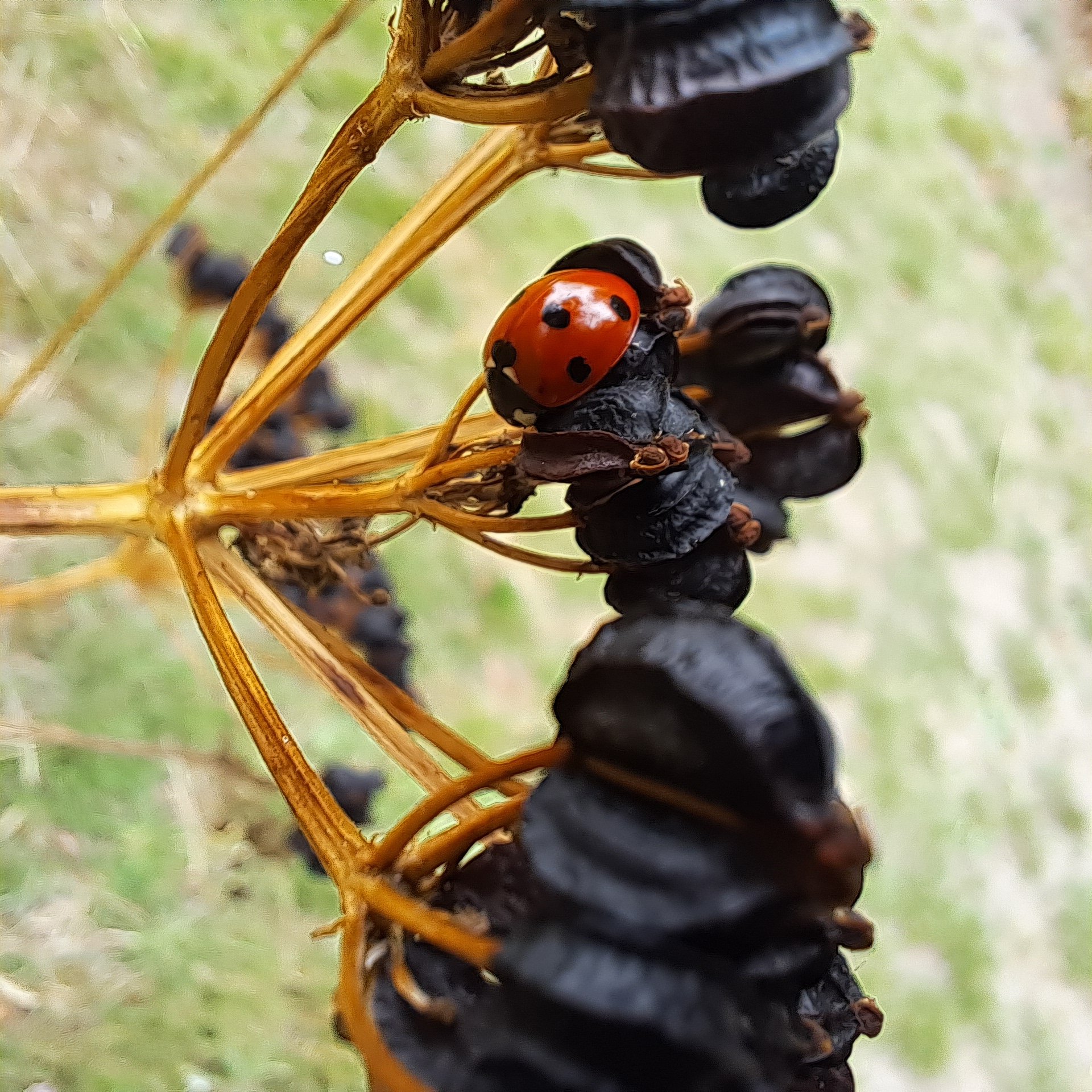
Explore Our Foraging Courses
Rooted in the Chalk, Crafted for the Curious
From the rolling slopes of the North Downs to the hidden valleys of Kent, our landscape offers a unique bounty found nowhere else. These courses are designed to move with you through the seasons—grounding you in local ecology while moving your skills forward.
Choose your journey through the Kentish wilds:
The Wild Table | Foraging for Food Turn the chalk grassland into your pantry. Learn to identify, harvest, and cook the specialized flavours of the Downs, from aromatic wild herbs to hidden seasonal delicacies.
The Wild Apothecary | Foraging for Medicine Discover the healing power of alkaline-loving flora. Master the art of crafting potent tinctures, salves, and teas from the resilient botanicals that thrive in our local soil.
The Wild Cauldron | Foraging for Witchcraft Step into the folklore and spirit of the landscape. Connect with the ancient magic of the hills through ritual harvesting, seasonal charms, and the sacred properties of Kentish plants.
This is where the "walking" ends and the "working" begins. My approach goes beyond simple identification; I’m here to bridge the gap between seeing a plant on the Downs and successfully bringing its essence into your home.
Whether you are filling a basket for the kitchen, the clinic, or the altar, our curriculum focuses on the full cycle of the forage:
Precise Identification: Learn the tactile details—the scent of crushed leaves, the structure of the stems, and the look-alikes—so you can harvest with absolute confidence in the Kentish wilds.
Ethical Harvesting: Master the "how" and "when" of gathering. We cover reciprocity and sustainable techniques that honour the chalk grassland, ensuring the landscape stays as vibrant as the day you found it.
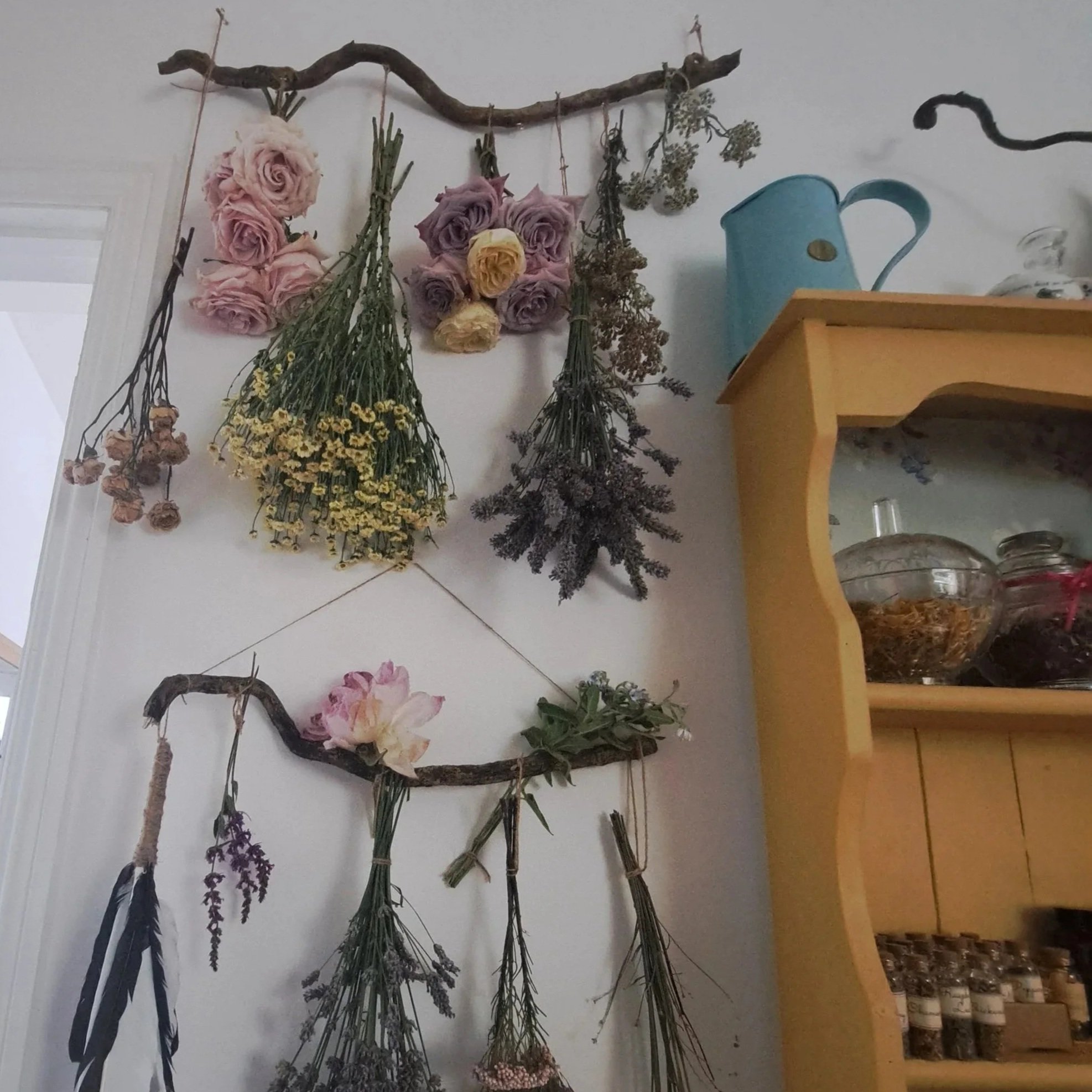
The Art of Processing: Foraging doesn't end in the field. I’ll show you how to clean, dry, and preserve your finds, transforming raw botanicals into gourmet ingredients, potent infusions, or sacred tools.
Bringing the Wild Home: From storage tips to kitchen safety, I provide the practical workflows you need to integrate these ancient plants into your modern daily life.
The Kentish Forager’s Seasonal Wheel
🌱 Spring (March – May)
The Awakening of the Downs
The Wild Table: Early Cleavers (Sticky Willy) shoots for refreshing spring waters; Wild Garlic in the shaded hangers; Nettles for iron-rich soups.
The Wild Apothecary: Dandelion roots for liver support; Coltsfoot (found in chalky clay) for chesty coughs.
The Wild Cauldron: Gathering Primrose (carefully and legally) for luck and "opening the way"; Birch sap for purification rituals.
☀️ Summer (June – August)
The High Bloom
The Wild Table: Wild Marjoram and Thyme from the sun-baked slopes; St. John’s Wort flowers for infusing oils.
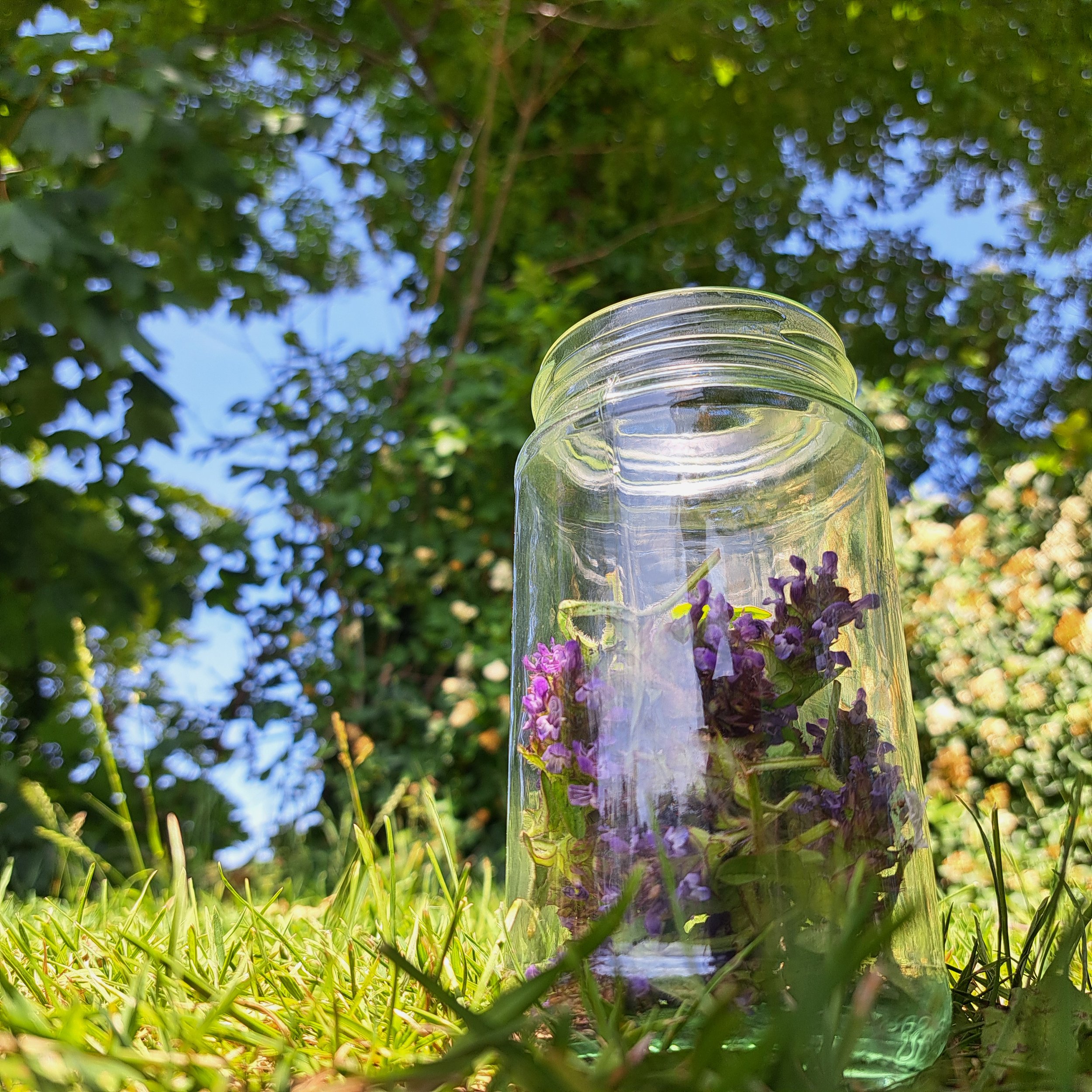
The Wild Apothecary: Yarrow for stanching wounds; Self-heal found in the shorter grass for general tonics.
The Wild Cauldron: Mugwort for dreamwork and protection (plentiful on Kentish roadsides); Viper’s Bugloss for courage and "warding off the bite."
🍂 Autumn (September – November)
The Harvest of the Hedge
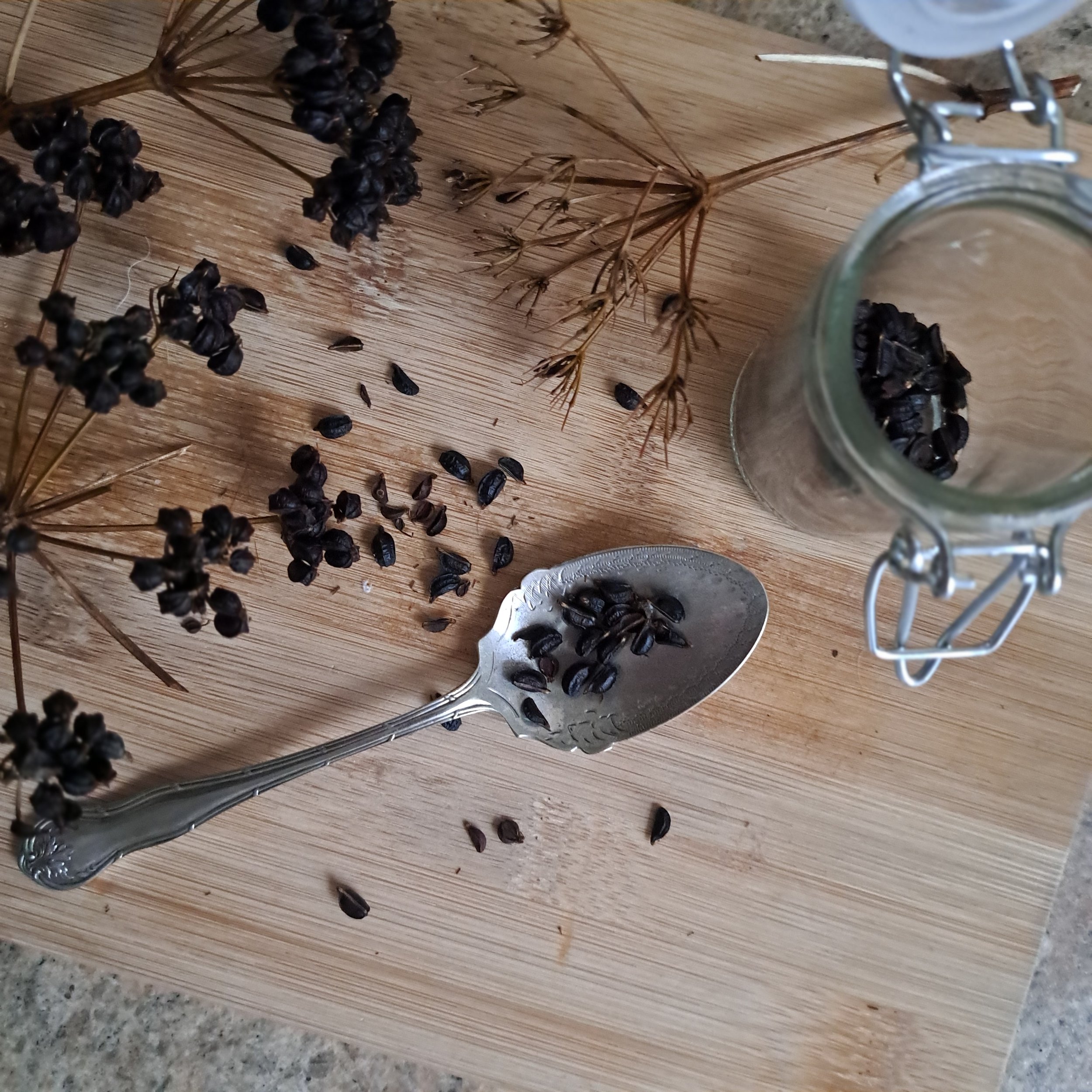
The Wild Table: Cleavers seeds (now brown and dry) for your wild coffee; Sloes from the blackthorn for gin and syrups; Beech mast (nuts) from the grand ancient hangers.
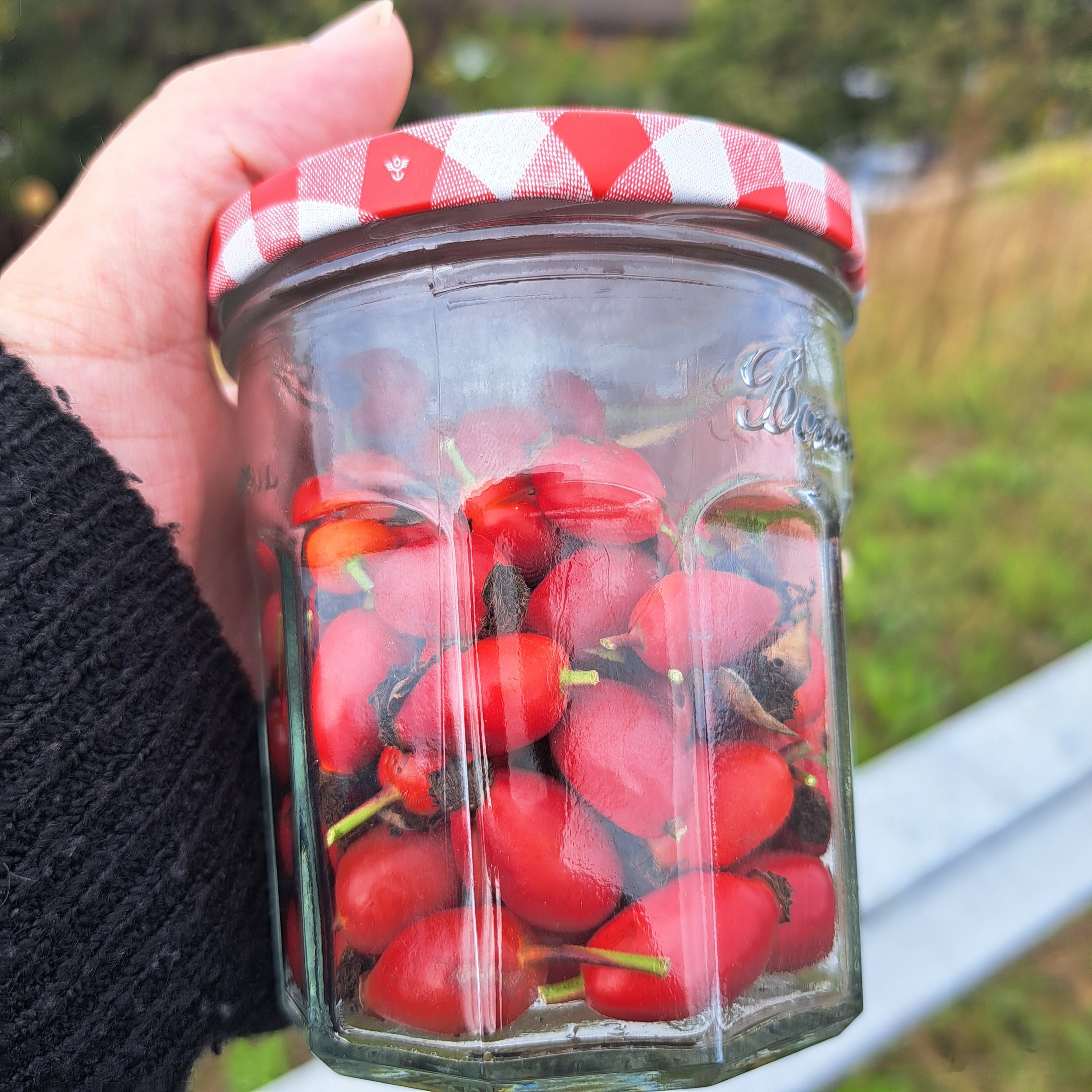
The Wild Apothecary: Elderberries for immune-boosting oxymels; Rosehips (from the chalk-loving Dog Rose) for Vitamin C.
The Wild Cauldron: Hawthorn berries for heart-work and protection; Elder pith for traditional crafts; collecting Flint from the soil for grounding and sparking fire.
❄️ Winter (December – February)
The Deep Roots
The Wild Table: Hairy Bittercress (the winter salad); Chickweed in sheltered spots.
The Wild Apothecary: Pine and Spruce needles for antiseptic steams; Dandelion and Burdock roots dug from the cold earth.
The Wild Cauldron: Ivy for endurance and binding; Holly for protection; reflecting on the "bones of the land"—the white chalk beneath the frost.
How to use this guide:
Each course—The Wild Table, The Wild Apothecary, and The Wild Cauldron—dives deep into these specific plants during their peak window. I’ll teach you not just to find them, but the specific Kentish lore that makes our landscape so special.
Our Courses;
Embark on a culinary journey through Kent’s iconic Chalk Grassland habitats. From the peppery zing of Alexanders Bloody Marys to the rich tang of Hawthorn Ketchup, "The Wild Table" transforms local flora into six gourmet staples. Master the art of identifying and preparing wild treasures like Nettle Hummus and Dandelion Honey. Perfect for foodies ready to taste the landscape.
Dive into a dynamic curriculum crafted by industry experts, offering practical insights and real-world applications.
Get anytime access to our growing collection of classes, workshops, and exclusive content. New items added every month.
What You’ll Learn
Foraging on the Kent Chalk Grassland is a privilege that comes with a responsibility to the landscape. Because much of the North Downs is protected as a Site of Special Scientific Interest (SSSI) or managed by trusts like the Kent Wildlife Trust, knowing the "Rules of the Downs" is as important as knowing your plants.
The Forager’s Code: Safety & Ethics in the Kentish Wilds
To keep yourself safe and our chalk grasslands thriving, we follow the Four Pillars of Ethical Foraging:
1. The 100% Rule (Identification)
Never consume or use a plant unless you are 100% certain of its identity. The Kentish landscape is home to some incredible look-alikes. For example, while foraging for The Wild Table, it is vital to distinguish between edible Umbellifers and the highly toxic Hemlock, which loves our damp ditch-edges. If in doubt, leave it out.
2. The Legal Landscape
Under the Wildlife and Countryside Act (1981), it is illegal to uproot any wild plant without the landowner's permission. On the Downs, we focus on "The Four Fs": Fruit, Foliage, Flora, and Fungi for personal use.
Note: Many of our rare chalk grassland species, like certain Orchids, are strictly protected. In my courses, we learn to admire these with our eyes (and cameras) only.
3. The Forager’s Share (Sustainability)
We never strip a patch bare. A good rule of thumb is to take no more than 10% of what is available, ensuring there is plenty left for the local wildlife—like the Adonis Blue butterfly—and for the plant to go to seed.
The Wild Table tip: Only harvest common "weeds" like Cleavers or Nettles in bulk; leave the rarer edible herbs to flourish.
4. Mind the Ground (The Chalk Factor)
Our alkaline soil is thin and fragile. Avoid foraging in areas where heavy footfall might cause erosion on the steep slopes of the Downs. Always "tread lightly" and leave no trace of your visit.
Why we teach this:
In The Wild Table, The Wild Apothecary, and The Wild Cauldron, safety isn't just a disclaimer—it’s a skill. By understanding the ecology of the Kentish hills, you become a guardian of the land rather than just a consumer of it.
Effective Communication
Learn tools for organizing ideas, setting goals, and building consistent schedules. From brainstorming to publishing, this course helps turn scattered thoughts into a cohesive plan.
Content Planning
Discover how to analyze workflows, identify inefficiencies, and implement smarter systems. This course helps you create processes that actually work, for a team or just for yourself.
Process Improvement
Meet Your Instructors

Monet Goode
Monet is a lifelong educator with a passion for creating accessible, engaging learning experiences. Known for a calm, encouraging teaching style, Monet believes that growth happens when learners feel both challenged and supported.

Emmett Marsh
Emmett is a detail-oriented instructor who’s spent the past decade helping people develop new tools, habits, and mindsets. Their approach is clear, practical, and always infused with curiosity and care.

Eleanor Parks
Eleanor's background spans education, coaching, and creative development. With a strong focus on process and progress, Eleanor helps learners move from where they are to where they want to be—one step at a time.

Choose Your Plan
✦
Choose Your Plan ✦
Your Questions, Answered
-
Membership typically includes access to our full library of digital content—videos, courses, resources, and any new material we release while you're subscribed.
-
Definitely. You can switch plans, upgrade, or make changes to your membership anytime.
-
Yes! We’re always expanding the library with fresh content, tools, and updates to keep your learning and inspiration going strong.
-
Memberships are flexible and can be canceled at any time from your account. You’ll retain access through the end of your current billing cycle.